

You are here
Preservatives for leave-in cosmetics: how to choose the right one?
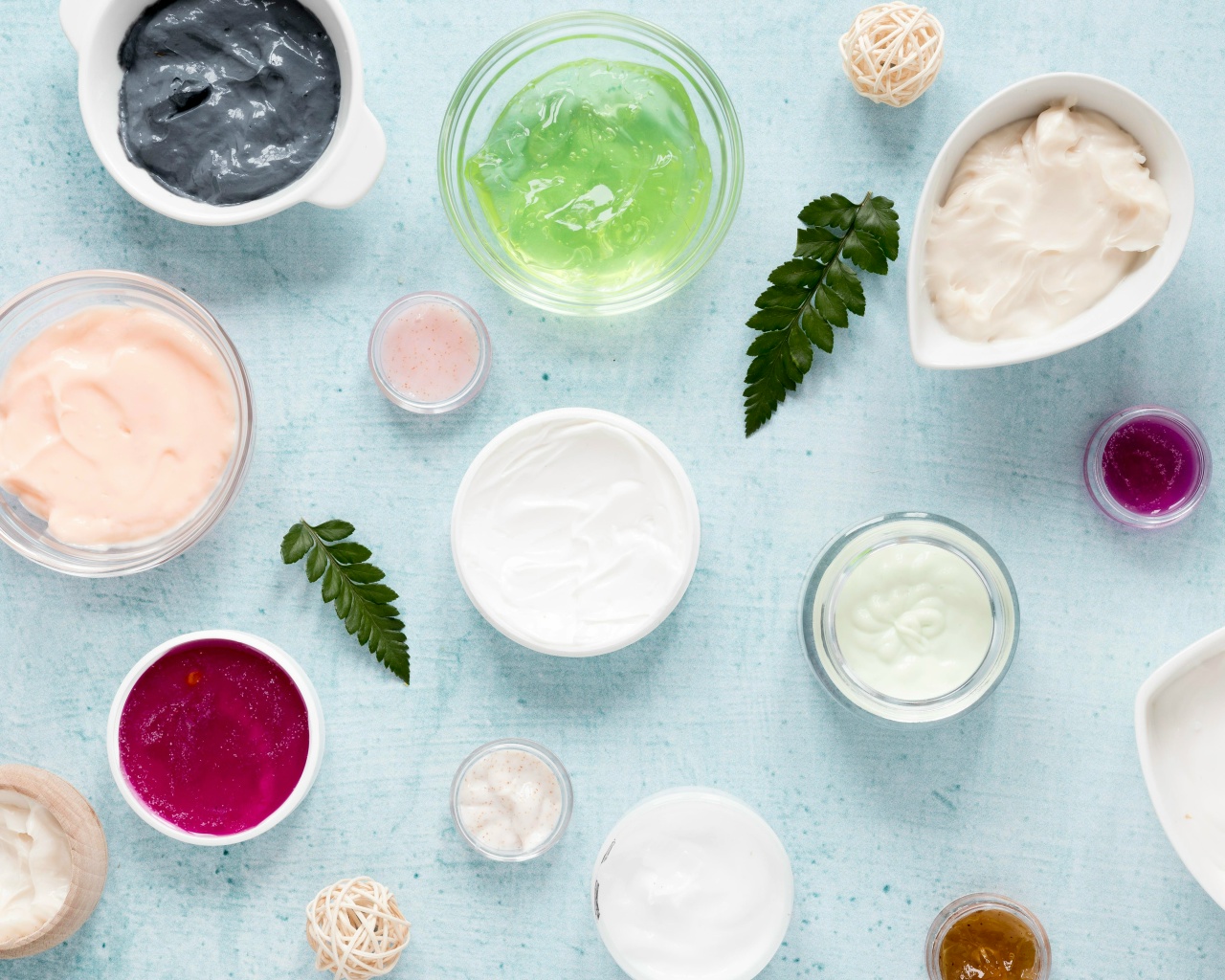
Let's talk about important components of any leave-in cosmetics - preservatives.
Today we'll talk about important components of any leave-in cosmetics—preservatives. We'll explore the different types, how to choose them, and how to use them correctly.
What is leave-in cosmetics?
These are products that don't require rinsing:
• facial creams and emulsions;
• lotions and serums;
• toners, sprays, and lotions;
• sunscreens and lotions;
• lotions and butters for face and body;
• leave-in sprays for hair and scalp.
The Most Popular Preservatives
The most commonly used preservatives in the cosmetics industry are:
• phenoxyethanol;
• benzyl alcohol.
They are usually combined with other preservatives to enhance antimicrobial protection: parabens, organic acids and their salts, and antimicrobial activity boosters.
⚠ Important: Methyl- and chloromethylisothiazolinones are prohibited for use in leave-in cosmetics (TR CU 009).
How to choose a preservative? Consider 4 key factors:
1. Product type
- For products heavily loaded with difficult-to-preserve ingredients (mineral UV filters, large amounts of vegetable oils, abrasives) - preservatives with additional fungicidal protection: parabens or organic acids and their salts;
- For eye care products, products for sensitive skin, and products with a natural concept - benzyl alcohol and mixtures with it.
2. Composition density
If the formula contains a lot of oils and active ingredients, it is better to use a combination of preservatives to enhance protection.
3. Solubility
- Phenoxyethanol and benzyl alcohol - slightly soluble in water;
- Sodium benzoate and potassium sorbate - completely soluble in water.
Preservative Guidelines:
✅ Check compatibility with the formula (colloidal and thermal stability tests).
✅ Consider pH:
• Organic acids, sodium benzoate, and potassium sorbate are effective in acidic pH ranges, most often at pH ≤ 5.5;
• Phenoxyethanol is stable over a wide pH range from 3 to 8.
✅ Follow the manufacturer's recommended dosage.
✅ If necessary, pre-dissolve in glycerin, propylene glycol, or solubilizers (polysorbates, PEG-40 hydrogenated castor oil).
Our line includes EVAGUARD® preservatives for all types of leave-in cosmetics!
Contact us for a consultation, and we will select the best solution for preserving your system from our selection.
